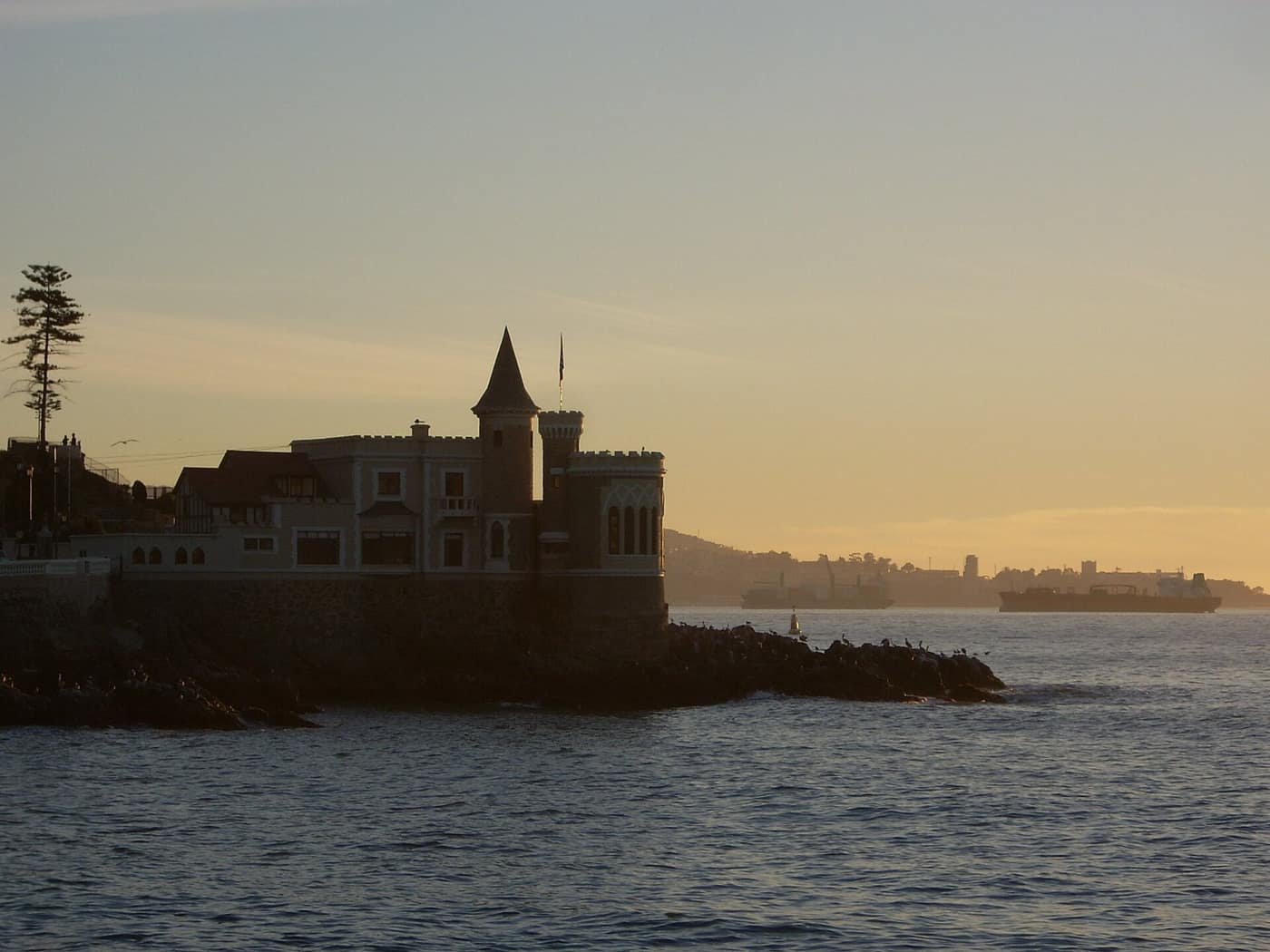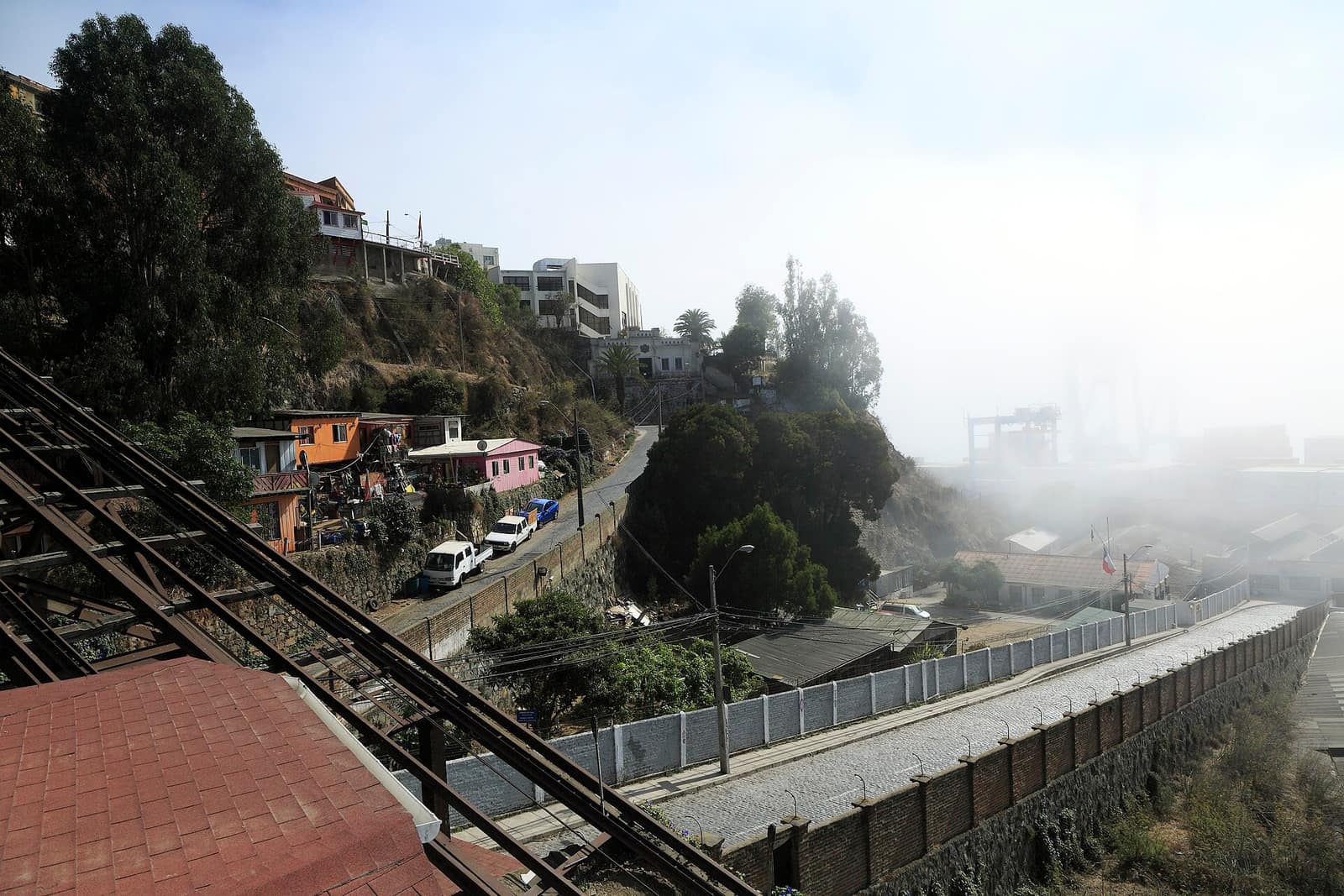
Viña del Mar has a mild, Mediterranean-type climate: dry, sunny summers and cool, wetter winters, with no real extremes. The Pacific keeps things moderate — summer highs are usually in the low-to-mid 20s °C, winter highs around 14–16 °C — and the cold Humboldt Current keeps the sea chilly all year. The biggest variable is not temperature but crowds.
Viña del Mar month by month
| Month | Weather | Crowds | Verdict |
|---|---|---|---|
| January | Warm and dry, ≈24 °C highs; morning fog | Very high | Peak beach season — book early |
| February | Warm and dry; song festival | Very high | Festival month; busiest and priciest |
| March | Warm, dry, sea at its warmest | Moderate | Excellent — summer without the crowds |
| April | Mild, mostly dry; wine harvest | Low | Very good for sightseeing and wineries |
| May | Cooler, first rains | Low | Quiet; mixed weather |
| June | Cool (≈15 °C), rainiest months begin | Low | Winter storms and big surf; low prices |
| July | Cool and wet spells; winter holidays | Moderate | Chilean school holidays bring visitors |
| August | Cool, some rain | Low | Quiet, cheap, often clear after fronts |
| September | Mild spring; Fiestas Patrias | High (18th) | Great atmosphere around 18 September |
| October | Mild, mostly dry, flowers | Low | Very good — our favourite shoulder month |
| November | Warming, dry | Moderate | Very good; cruise season in full swing |
| December | Warm, dry; New Year fireworks | High from mid-month | Great; New Year’s Eve is spectacular |
December to March — summer and beach season
This is when Viña del Mar comes alive. Chilean families and Argentine visitors fill the beaches, Reñaca parties late, and the promenades are packed at sunset. Days are warm and dry; mornings are often grey with coastal fog that clears by lunchtime. January and February are the busiest and most expensive months — book hotels and tours well ahead. March is the insider’s choice: still summery, the sea at its least cold, and the crowds gone after the school year starts.
The big events
- New Year’s Eve (Año Nuevo en el Mar): one of the biggest fireworks displays in South America lights up the whole bay from Valparaíso to Viña del Mar and Concón. Hotels sell out months ahead.
- Viña del Mar International Song Festival (February): six nights of concerts in the Quinta Vergara amphitheatre, broadcast across Latin America. The city is at its busiest.
- Fiestas Patrias (around 18 September): Chile’s national holidays — fondas (fairground-style food and dance halls), cueca dancing, empanadas and a long weekend when Santiago decamps to the coast.
- Wine harvest (March–April): the vendimia in the Casablanca Valley, with harvest festivals at some wineries.
April to November — the shoulder seasons and winter
Autumn (April–May) and spring (September–November) are excellent for sightseeing: mild, mostly dry, quiet and cheaper. Winter (June–August) brings most of the year’s rain in a series of frontal systems, with sunny, crisp days in between. The sea can be spectacularly rough — great for storm-watching from Avenida Marina — and prices are lowest, though July brings Chilean winter-holiday visitors.
How cold is the sea?
Cold, all year. The Humboldt Current carries water up from the Southern Ocean, so even in summer the sea off Viña is usually around 15–17 °C, dropping to about 12–14 °C in winter. Surfers wear wetsuits year-round; swimmers take short, bracing dips. The upside: that cold, nutrient-rich water is why the coast is so rich in seafood, sea lions, pelicans and penguins.