Viña del Mar rewards slow exploring: a morning in the palaces and parks, an afternoon on the seafront, a sunset on the dunes. And the region around it — historic Valparaíso, Neruda’s house, the wine valley — turns a beach break into one of the best trips in Chile.
Things to Do in Viña del Mar & Around
Twelve places that make a stay on the Chilean coast worth it.
Viña del Mar city
 Viña del Mar city
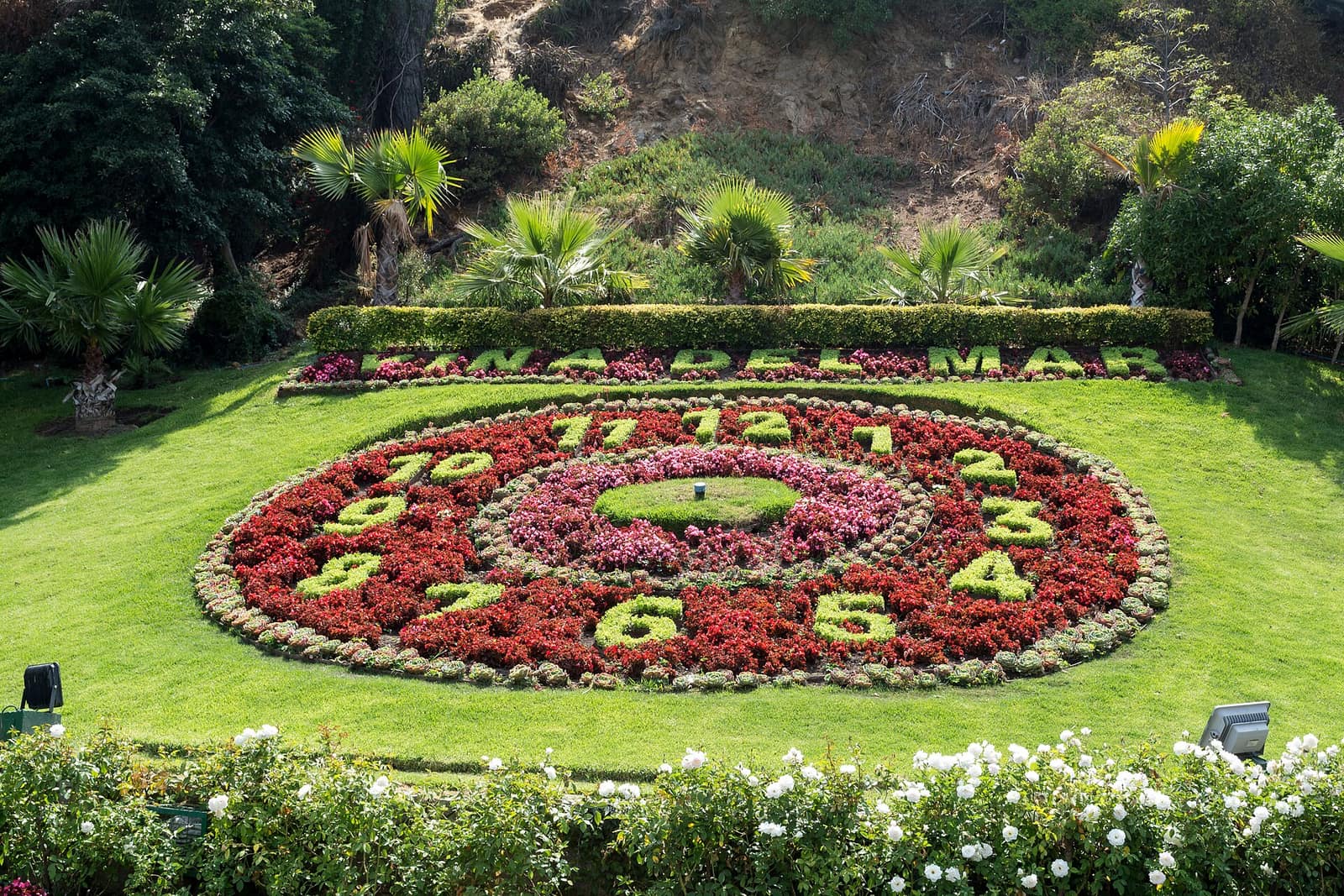
 Flower Clock (Reloj de Flores)
Viña del Mar’s most photographed landmark
A working clock whose face is a bed of flowers, set into the grassy slope of Cerro Castillo opposite Caleta Abarca beach. Installed in 1962, the year Viña del Mar hosted World Cup matches, it has become the city’s symbol — and the first photo stop on almost every coast tour.
 Viña del Mar city
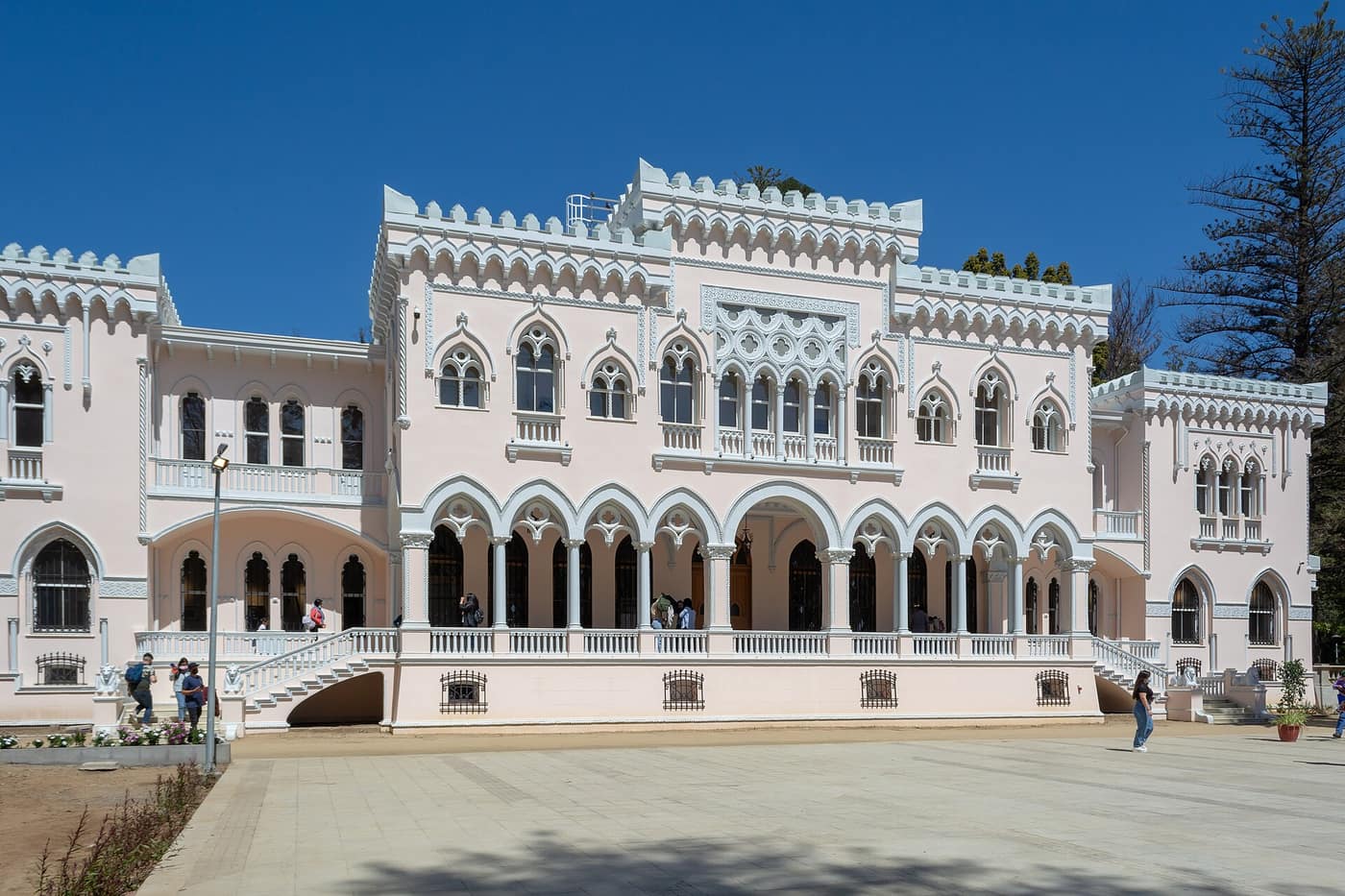
 Quinta Vergara
Park, palace and home of the song festival
The former estate of the Vergara family, founders of Viña del Mar, is now a public park of exotic trees around the Venetian-style Palacio Vergara, home of the city’s fine-arts museum. At its heart is the open-air amphitheatre where the Viña del Mar International Song Festival has been held every February since 1960.
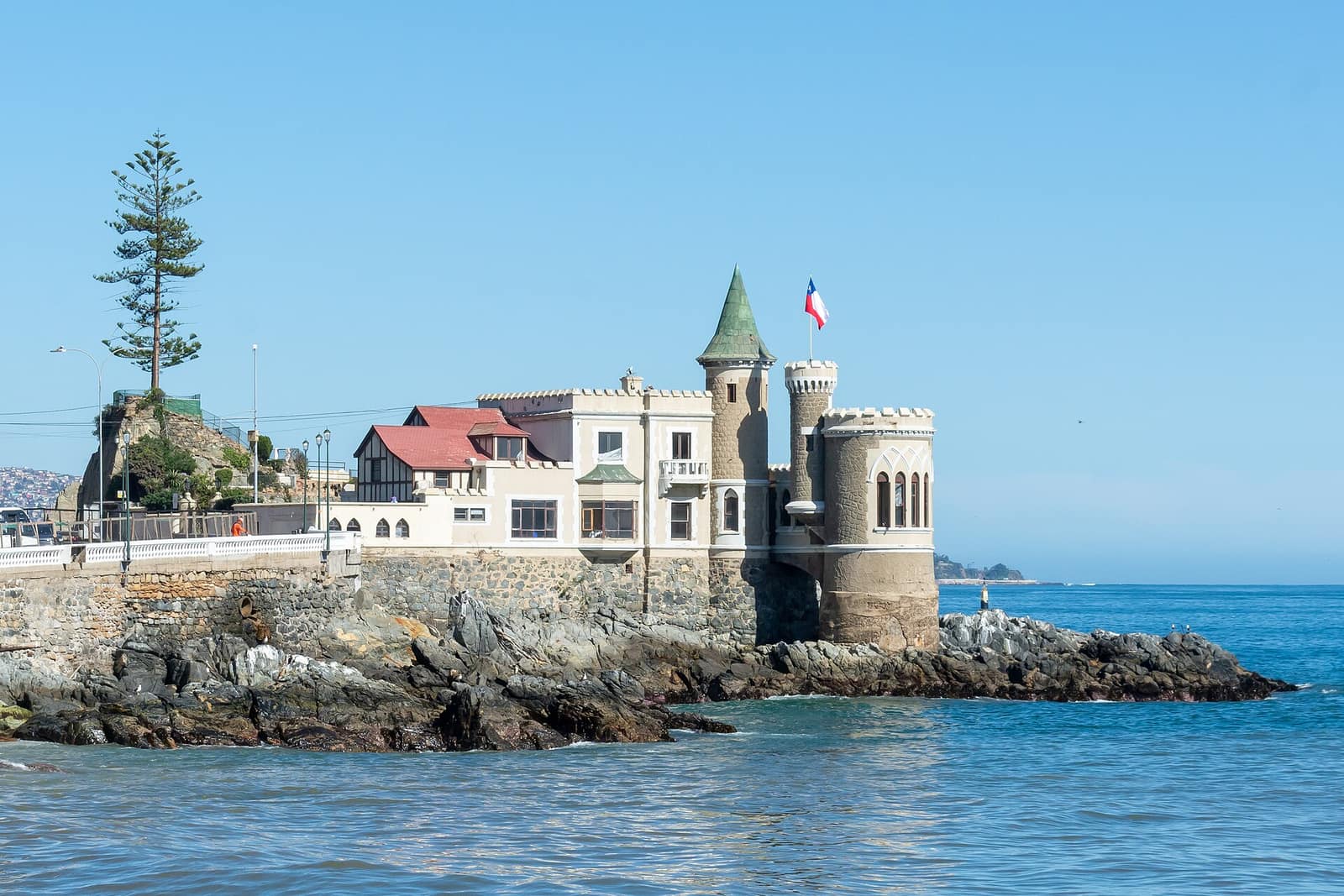
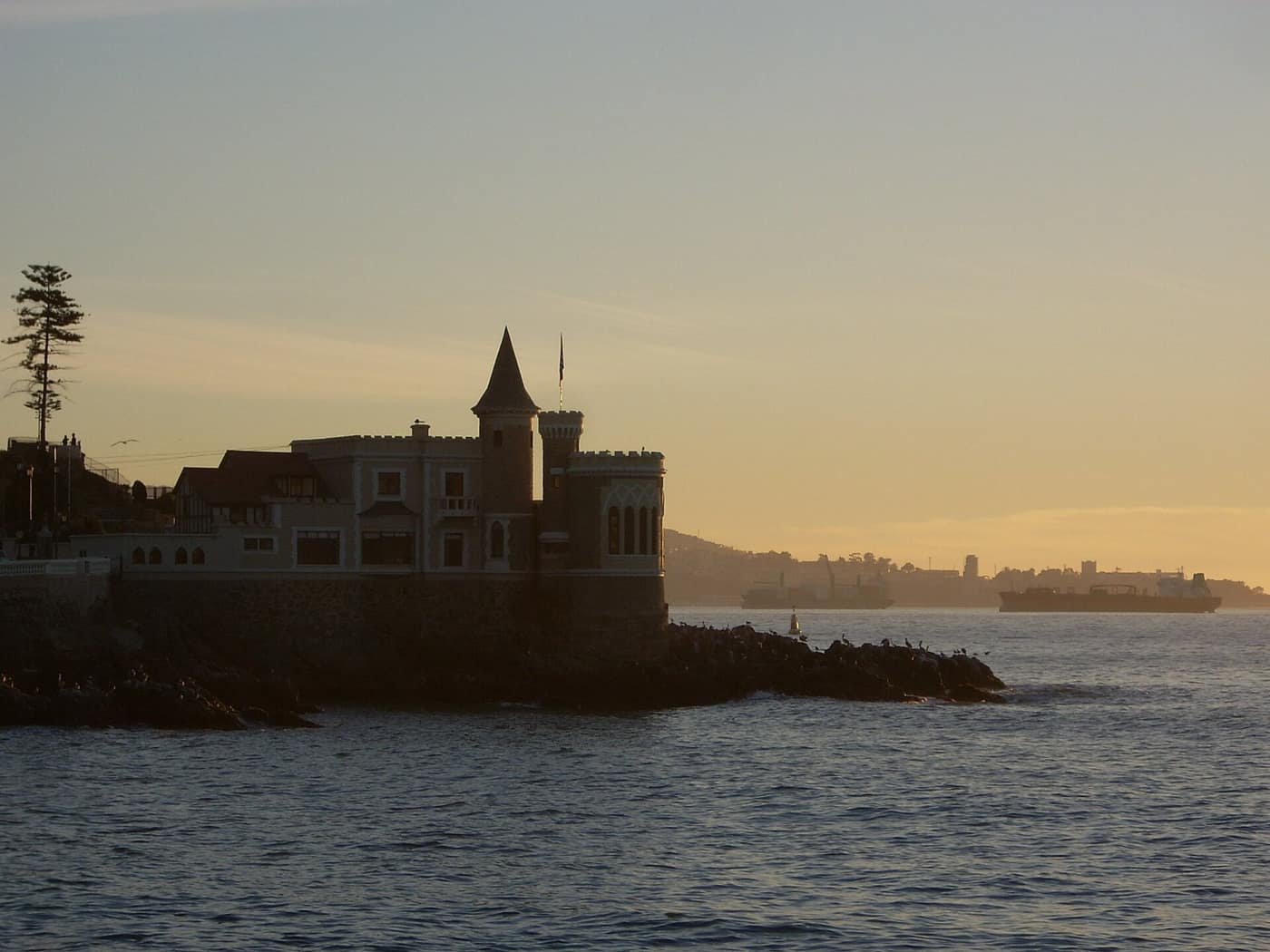
Viña del Mar city Wulff Castle (Castillo Wulff)
A little castle on the rocks above the Pacific
Built in 1906 for the merchant Gustavo Adolfo Wulff on a rocky outcrop of Avenida Marina, this turreted mansion is one of the most photographed buildings on the coast. Today it is a municipal cultural centre with changing exhibitions and a glass-floored passage over the waves.
 Viña del Mar city
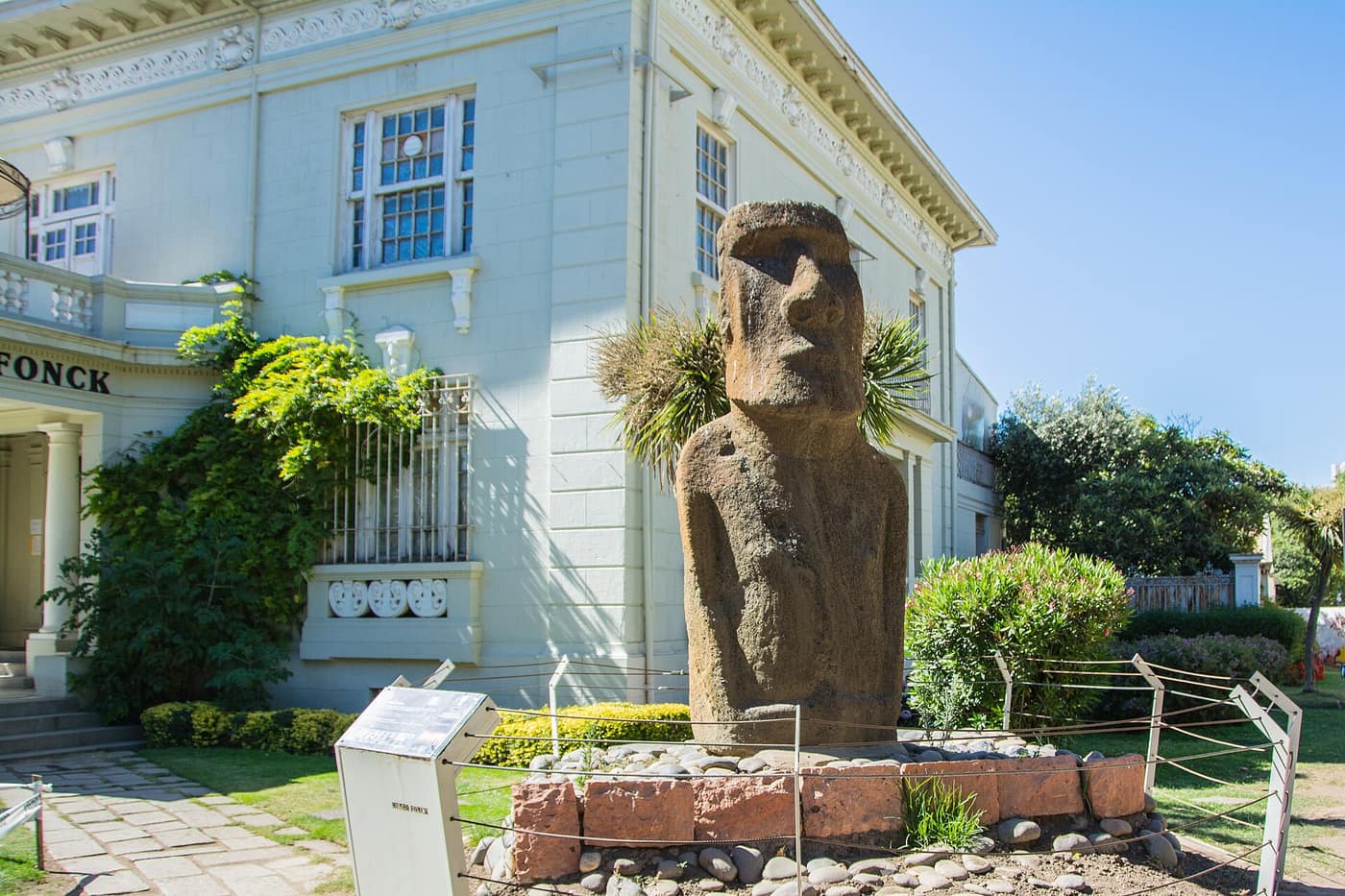
 Fonck Museum & its Moai
A genuine Easter Island moai in the city centre
The Francisco Fonck Museum of Archaeology and History is known across Chile for the authentic moai standing in its front garden, brought from Rapa Nui (Easter Island). Inside are some of the country’s best Rapa Nui collections, alongside pre-Columbian cultures of mainland Chile and a natural-history section.
 Viña del Mar city
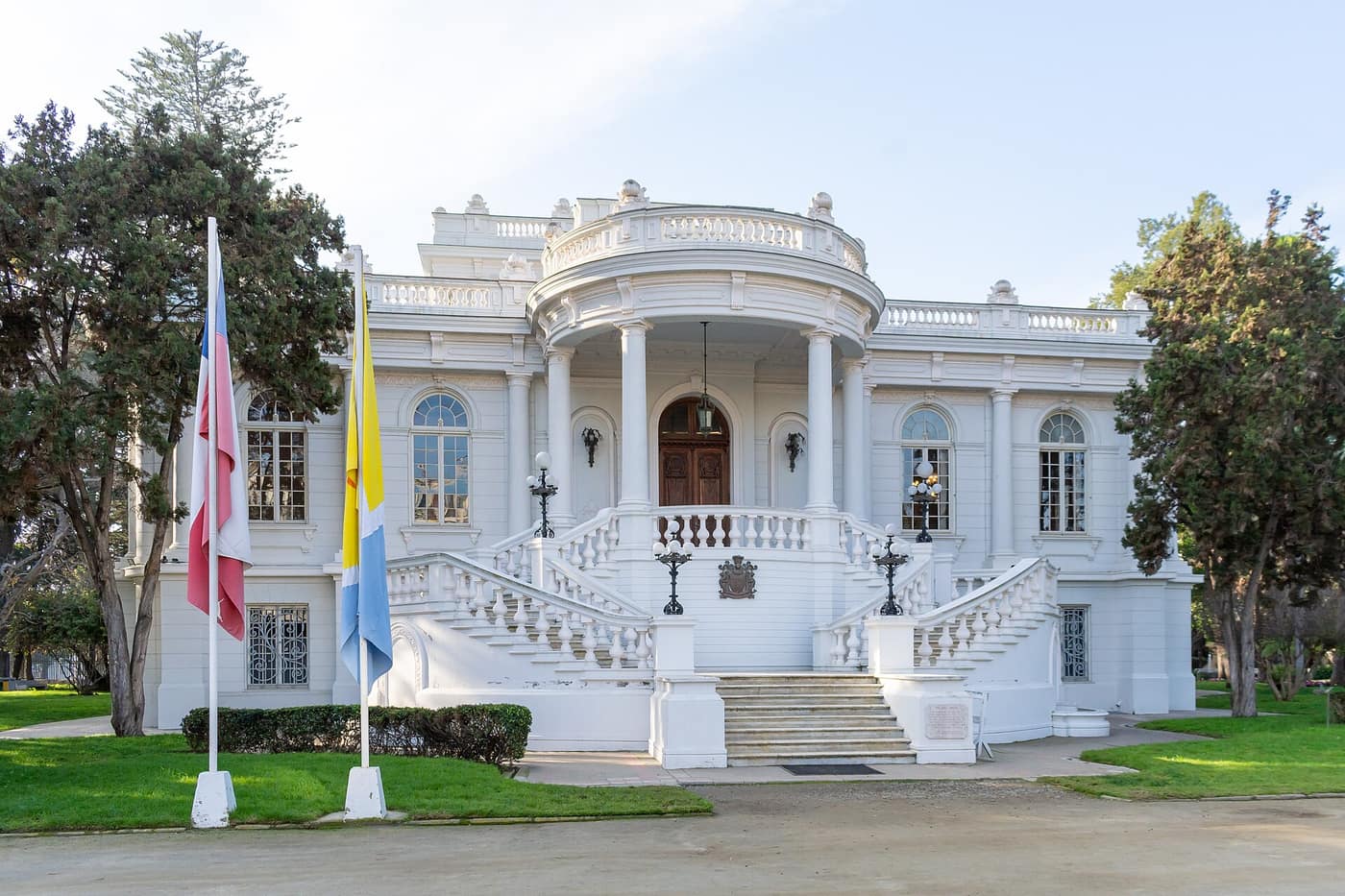
 Palacio Rioja
A Belle Époque mansion and its gardens
A white neoclassical palace built after the 1906 earthquake for the Spanish banker Fernando Rioja, and preserved with its original furniture, chandeliers and wall coverings as the city’s decorative-arts museum. The surrounding park is a quiet green escape in the heart of Viña.
 Viña del Mar city
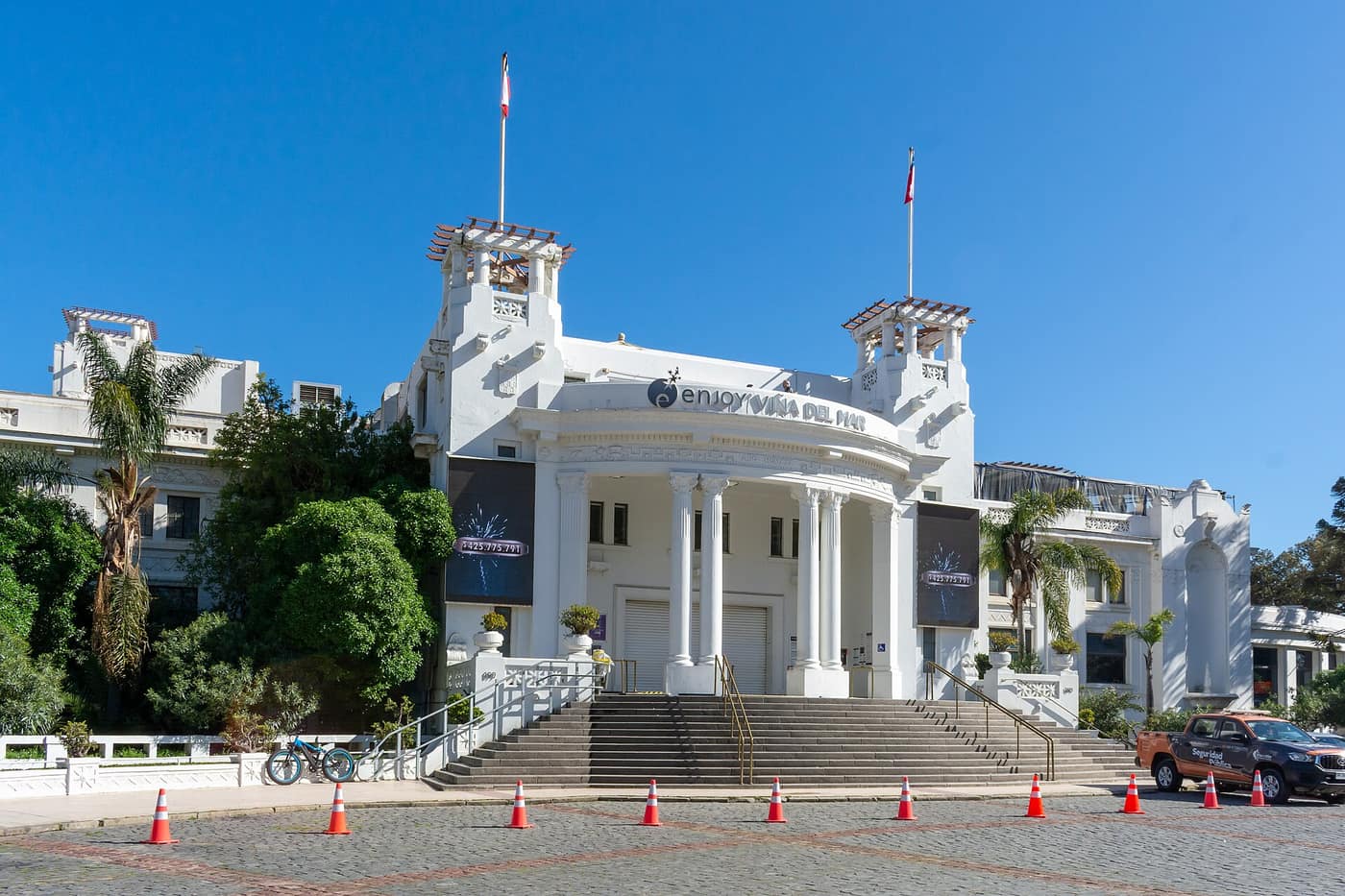
 Casino Municipal de Viña del Mar
The 1930 casino that made Viña glamorous
Opened in 1930 on the seafront by the Marga Marga estuary, the white neoclassical casino is one of the oldest in South America and still the centre of Viña del Mar’s nightlife, with gaming rooms, restaurants and shows. Even if you never place a bet, its gardens and façade are part of any walk through the city.
Beaches & the north coast
 Beaches & the north coast
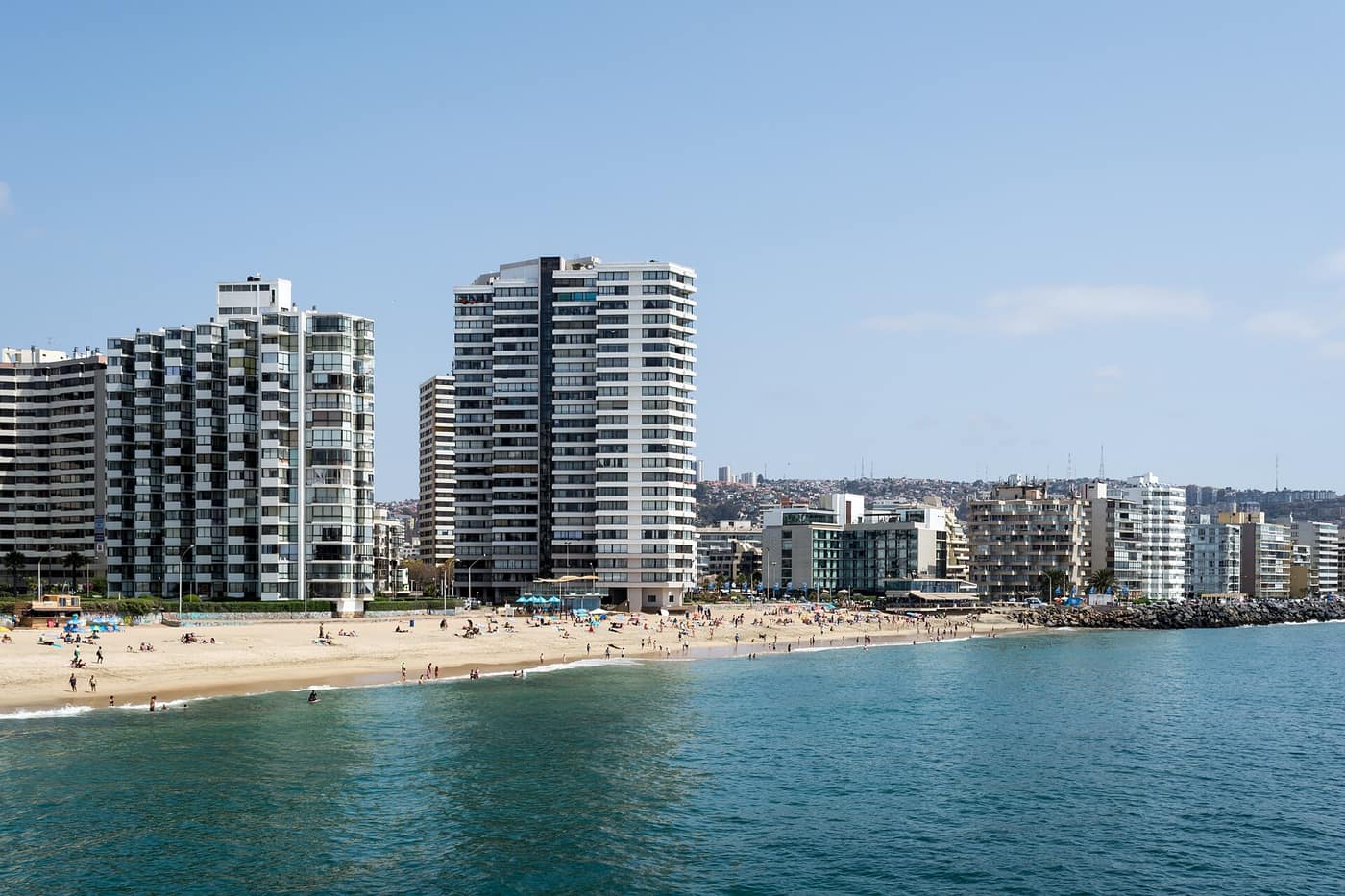
 Viña del Mar’s Beaches
Caleta Abarca, El Sol, Acapulco and more
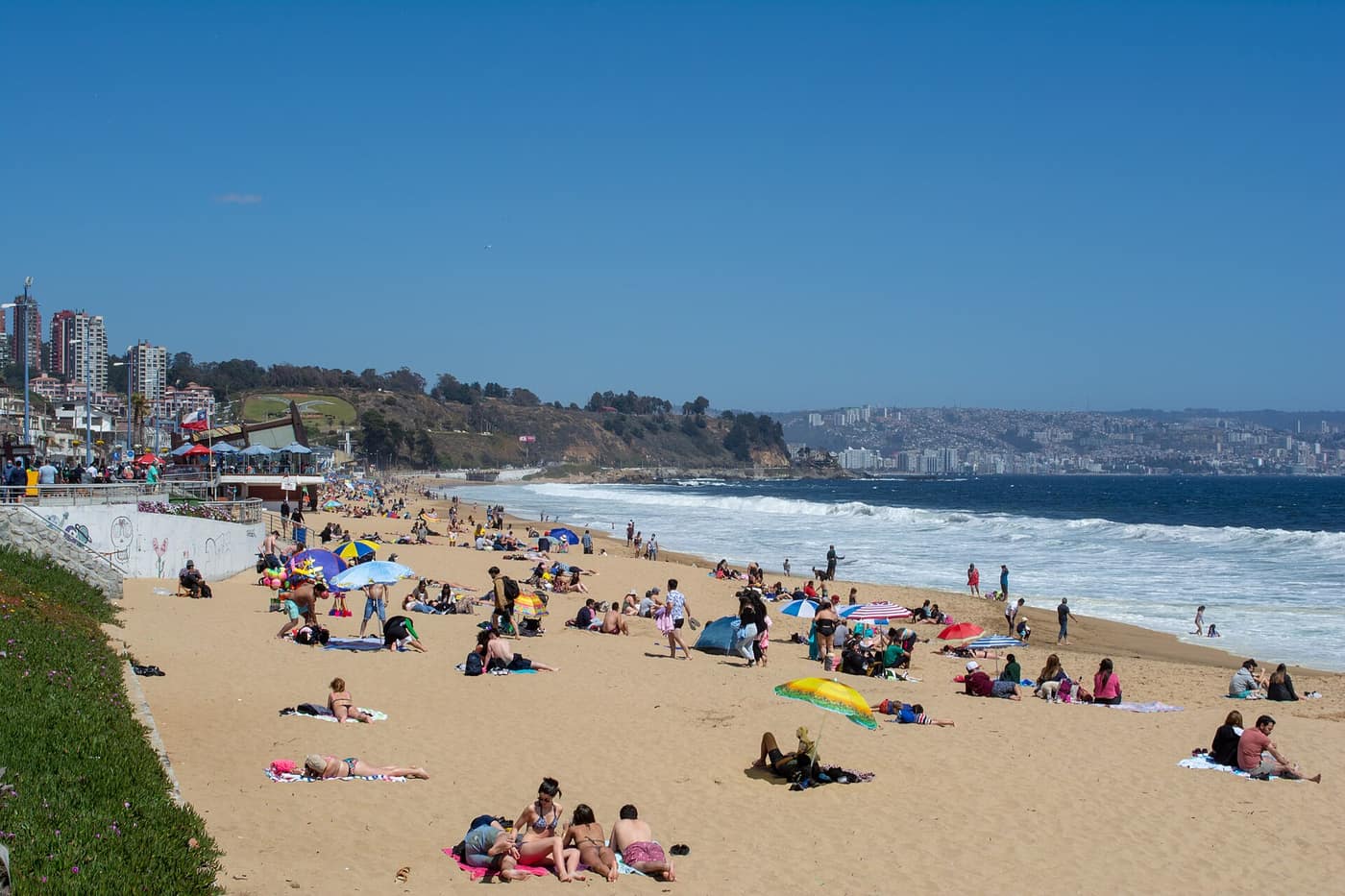
A chain of city beaches runs along the seafront, from little Caleta Abarca by the Flower Clock to the long urban sands of Acapulco, Los Marineros and El Sol, with the old iron Muelle Vergara pier in between. The sea is cold — the Humboldt Current sees to that — but the promenade, the sunsets and the summer atmosphere are the point.
 Beaches & the north coast
 Reñaca
Viña’s liveliest beach, a few minutes north
The long golden beach of Reñaca, with apartment blocks stacked up the hill behind it, is where the young crowd from Santiago spends the summer. Beach bars, surf, volleyball and a busy night scene in January and February; out of season it is calm, with dramatic surf and rocky coves like Cochoa nearby.
 Beaches & the north coast
 Concón Dunes
Sandboarding and sunsets above the sea
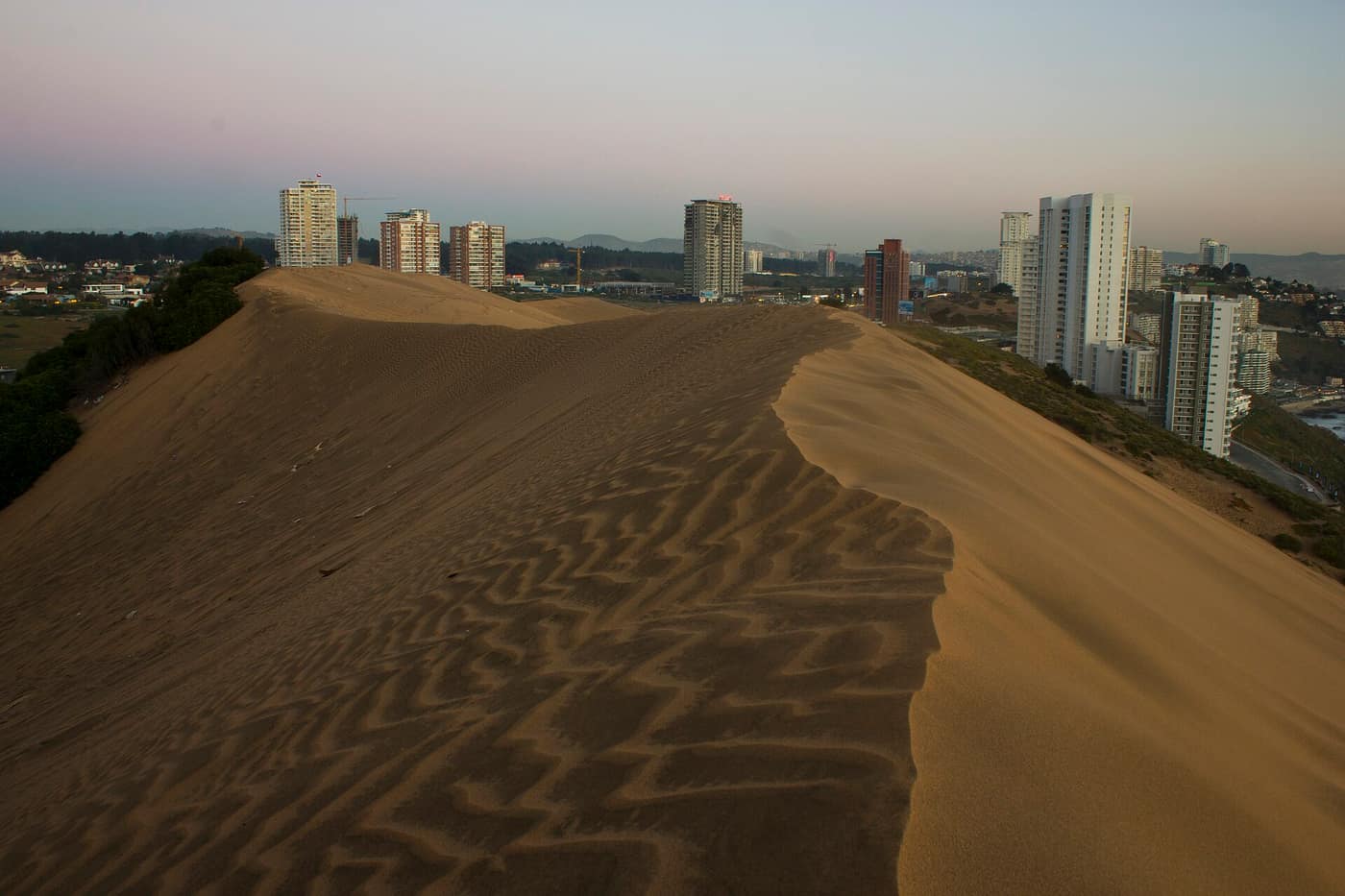
Just north of Reñaca, a protected field of huge sand dunes rises straight up from the coast road — a nature sanctuary with views over the whole bay. Climb for the sunset, try sandboarding where it is allowed, then head down to Concón for its famous seafood empanadas and the Roca Oceánica headland.
Valparaíso & wine country
 Valparaíso & wine country
 Valparaíso
UNESCO-listed port city of hills, funiculars and murals
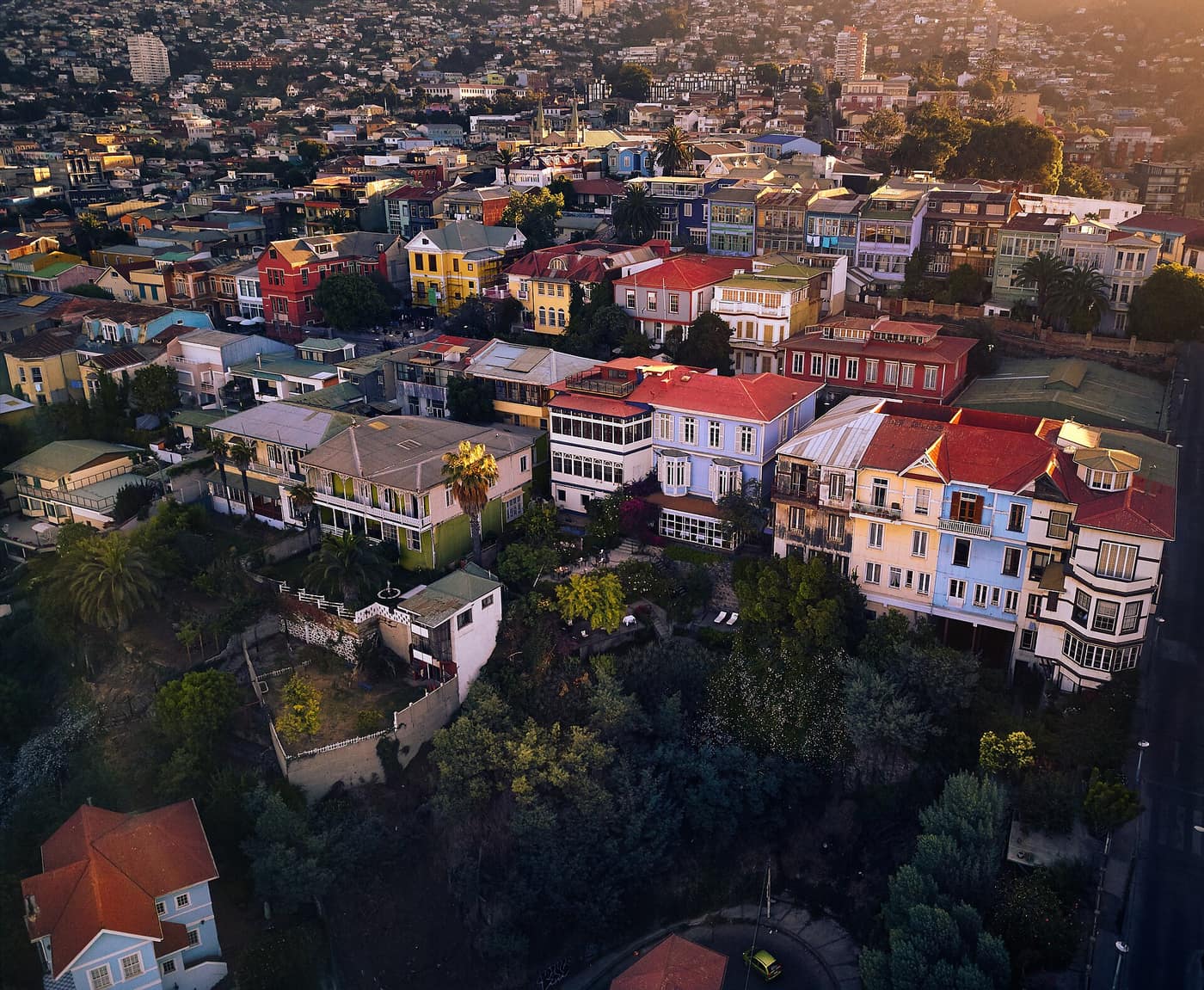
Viña’s older, wilder neighbour is only about twenty minutes away by train. Its historic quarter, a UNESCO World Heritage Site since 2003, climbs a jumble of hills covered in colourful houses, linked by century-old funiculars (ascensores), stairways and some of the best street art in Latin America.
 Valparaíso & wine country
 La Sebastiana (Neruda’s House)
Pablo Neruda’s house above the bay of Valparaíso
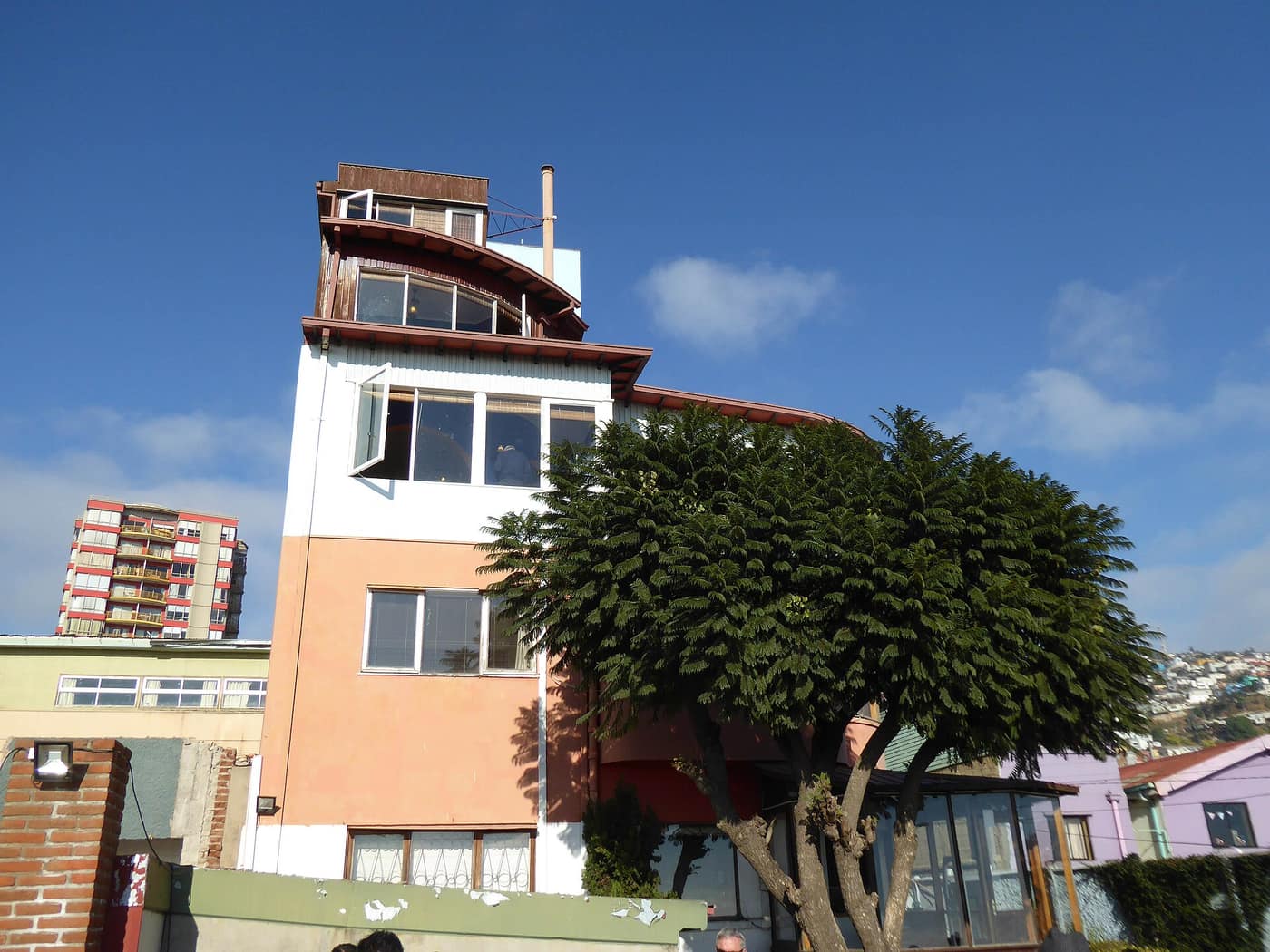
The Nobel-winning poet Pablo Neruda’s Valparaíso home is a narrow, many-levelled house on Cerro Florida, full of the objects he collected and with a view over the whole bay from its upper floors. It is now a house-museum run by the Fundación Pablo Neruda, visited with an audio guide.
 Valparaíso & wine country
 Casablanca Valley
Cool-climate wine country on the road to Santiago
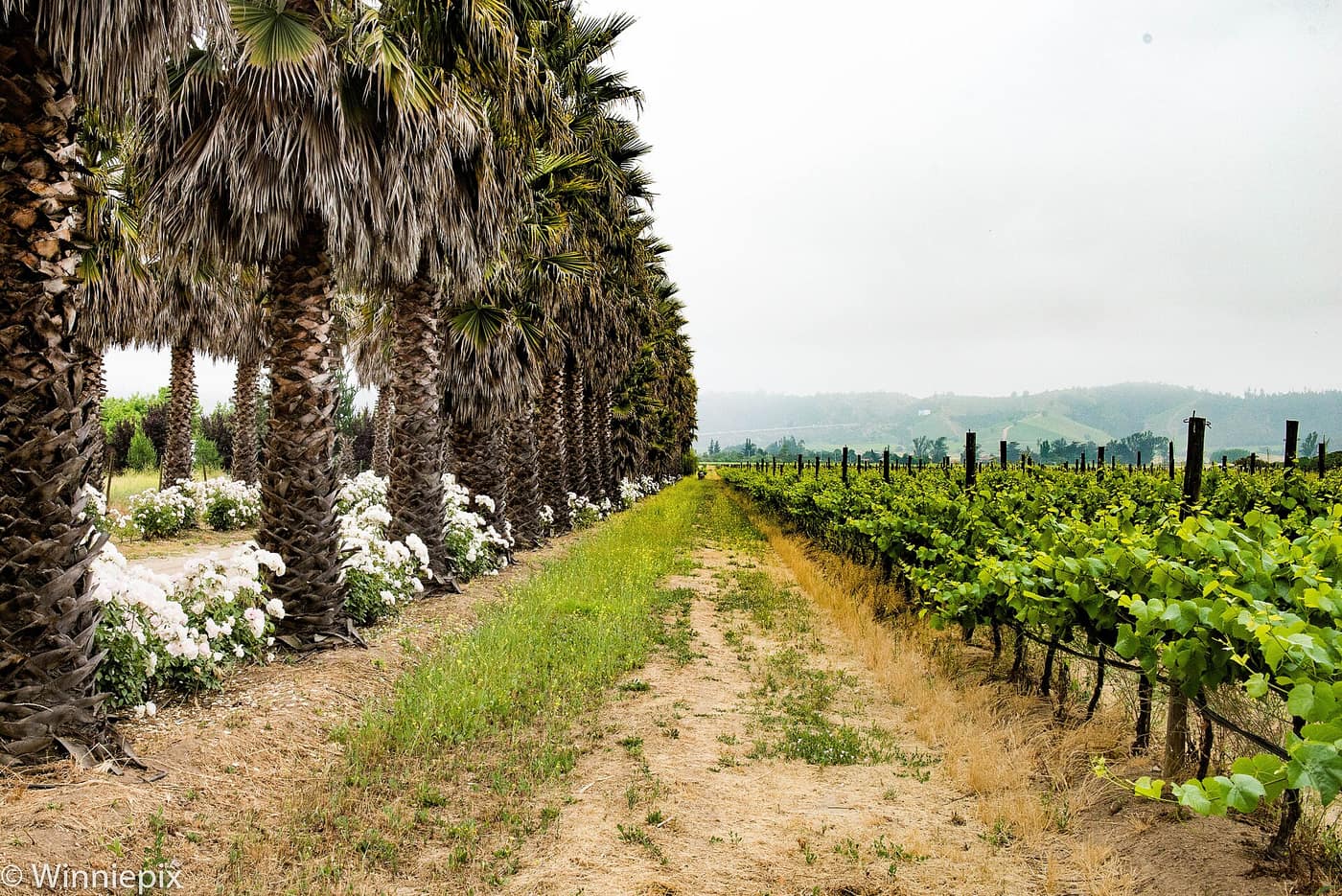
Between Santiago and the coast, the Casablanca Valley is cooled by Pacific fog and breezes, which makes it Chile’s benchmark region for crisp Sauvignon Blanc, Chardonnay and Pinot Noir. Dozens of wineries line Route 68, many with tasting rooms and restaurants — an easy half-day from Viña or a stop on the way from Santiago.
A sensible three days: Day one, the Flower Clock, Wulff Castle and the seafront, with the Fonck Museum or Quinta Vergara in between and sunset on Avenida Perú. Day two, the train to Valparaíso for a walking tour, the funiculars and La Sebastiana. Day three, Reñaca in the morning, a Casablanca winery lunch or the Concón dunes at sunset. Compare tours that cover each.
Plan your days on Chile’s Pacific coast
Turn a few days in Viña del Mar into the best of central Chile
Ride Valparaíso’s funiculars, taste cool-climate wines in the Casablanca Valley, watch the sun drop behind the Concón dunes and walk the Garden City’s palaces and beaches. Compare the best-rated experiences and book in a couple of taps.