Viña del Mar — just “Viña” to Chileans — is the country’s classic seaside resort, a green, orderly city of gardens, palaces and beaches on the Pacific, and the perfect base for exploring its wild, artistic neighbour Valparaíso. This guide covers everything from how long to stay to how cold the sea really is.
How long do you need?
- A day trip from Santiago — enough for a first taste of Valparaíso and Viña’s seafront, usually with a wine stop. Most visitors do this on a guided tour.
- Two to three nights — the sweet spot: a day for Viña, a day for Valparaíso, and an evening on the Concón dunes or a winery lunch.
- Four nights or more — add the beaches of Reñaca and Concón, Neruda’s house at Isla Negra, the coast north to Zapallar, or simply summer beach days.
Getting there
Fly into Santiago (SCL), then take a bus (1.5–2 hours, departures every few minutes), a private transfer or a rental car along Route 68. Full details are in our Santiago to Viña del Mar guide.
What to see and do
 Viña del Mar city
 Flower Clock (Reloj de Flores)
Viña del Mar’s most photographed landmark
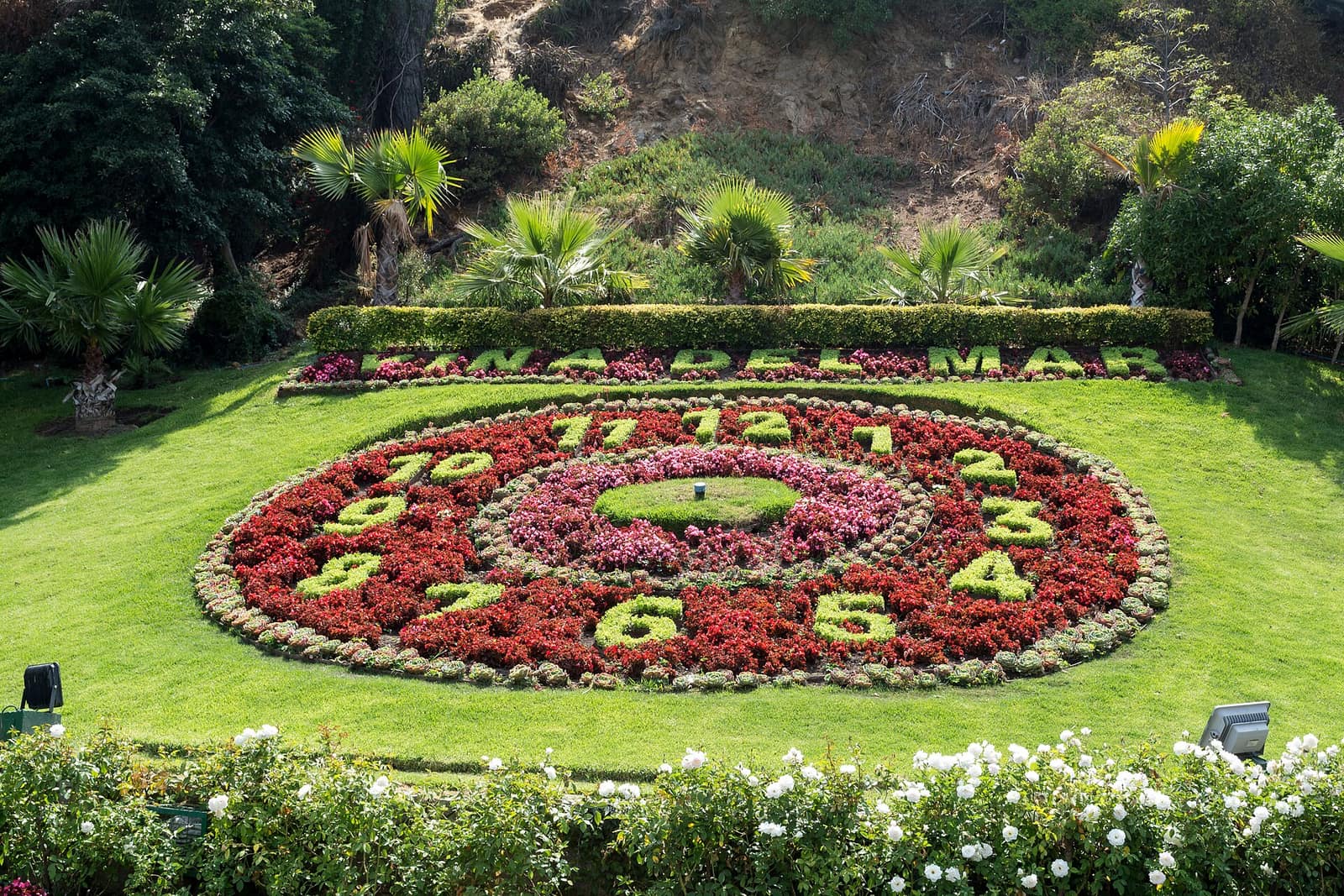
A working clock whose face is a bed of flowers, set into the grassy slope of Cerro Castillo opposite Caleta Abarca beach. Installed in 1962, the year Viña del Mar hosted World Cup matches, it has become the city’s symbol — and the first photo stop on almost every coast tour.
 Viña del Mar city
 Quinta Vergara
Park, palace and home of the song festival
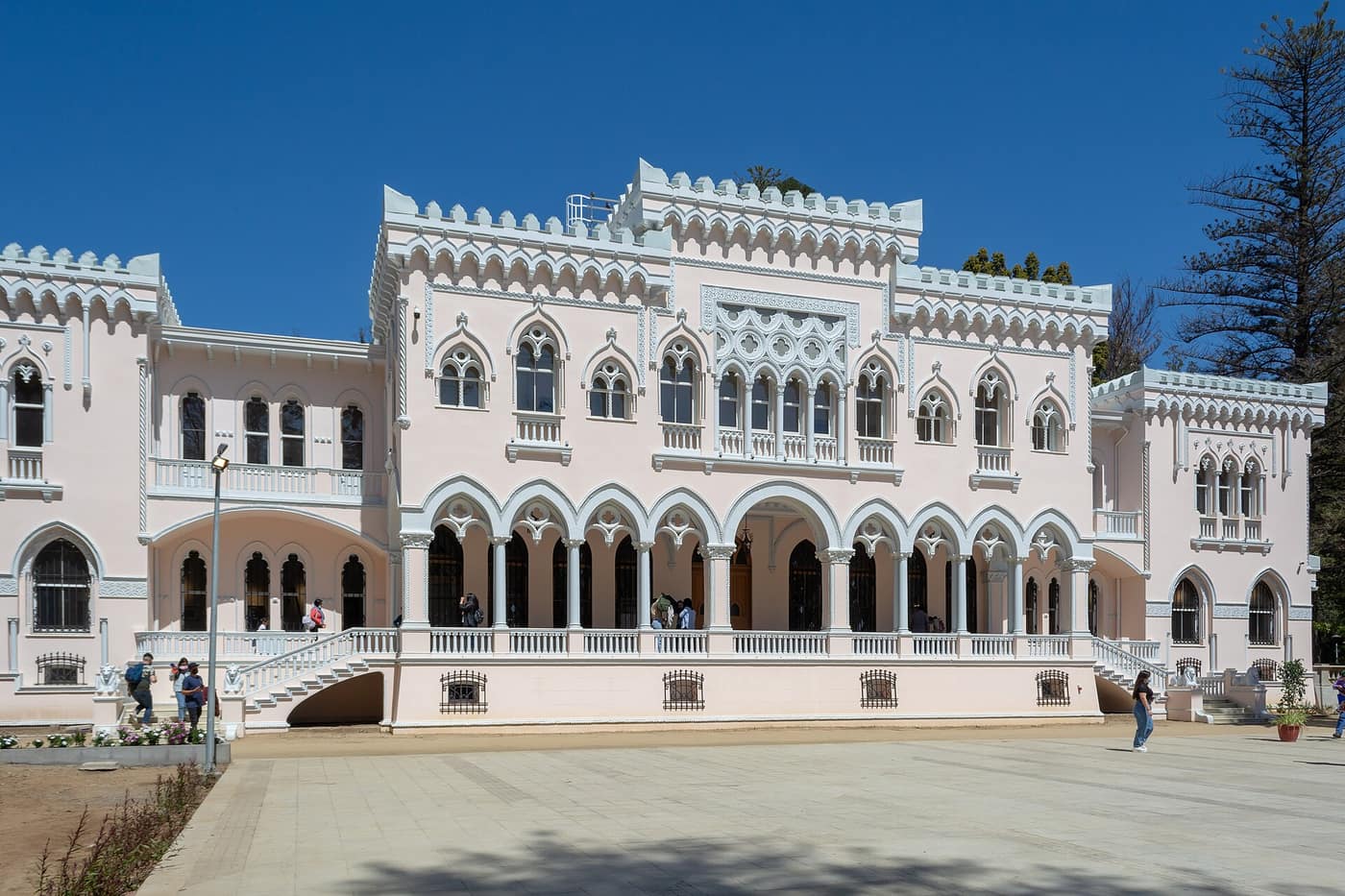
The former estate of the Vergara family, founders of Viña del Mar, is now a public park of exotic trees around the Venetian-style Palacio Vergara, home of the city’s fine-arts museum. At its heart is the open-air amphitheatre where the Viña del Mar International Song Festival has been held every February since 1960.
 Viña del Mar city
 Wulff Castle (Castillo Wulff)
A little castle on the rocks above the Pacific
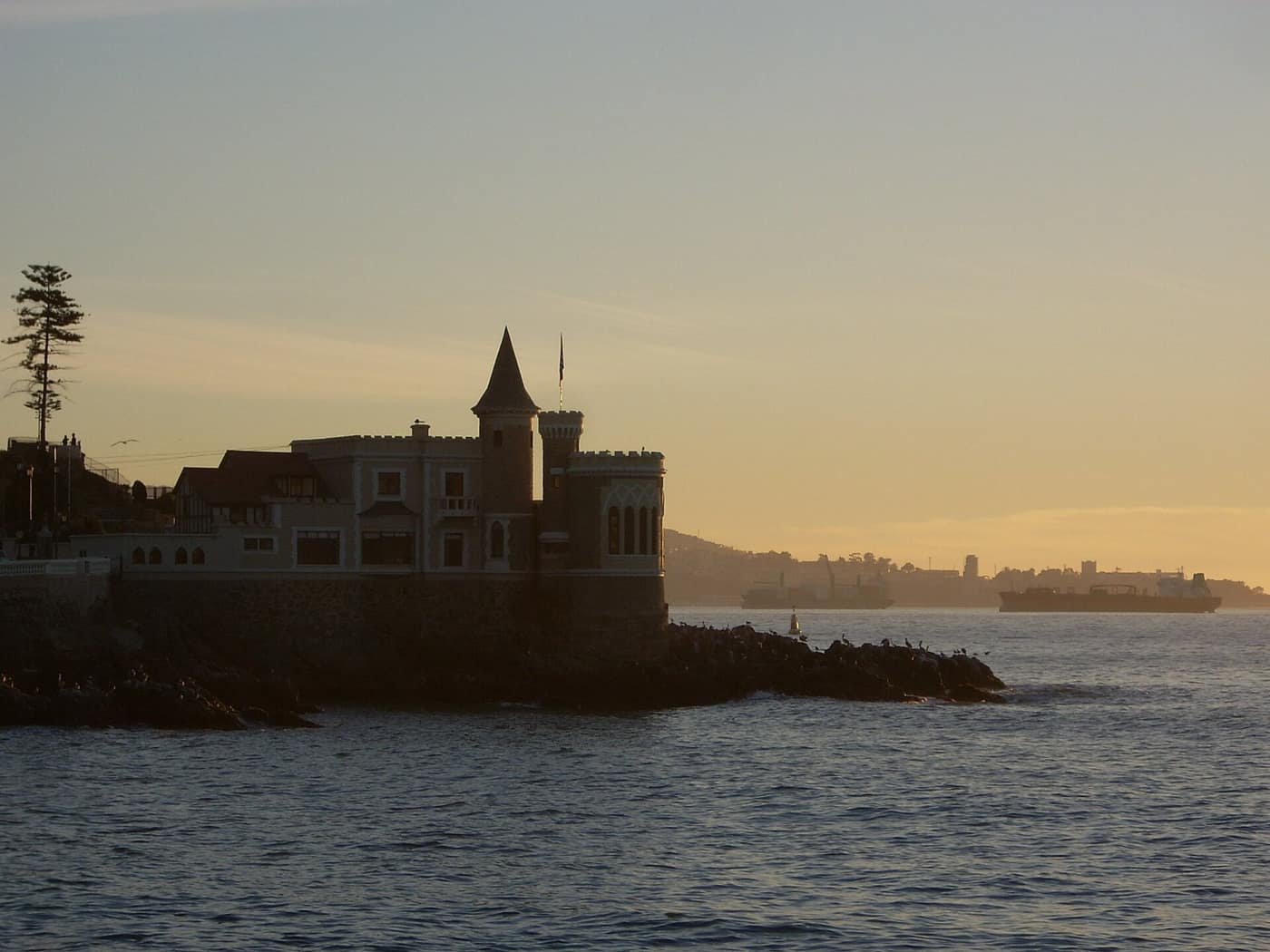
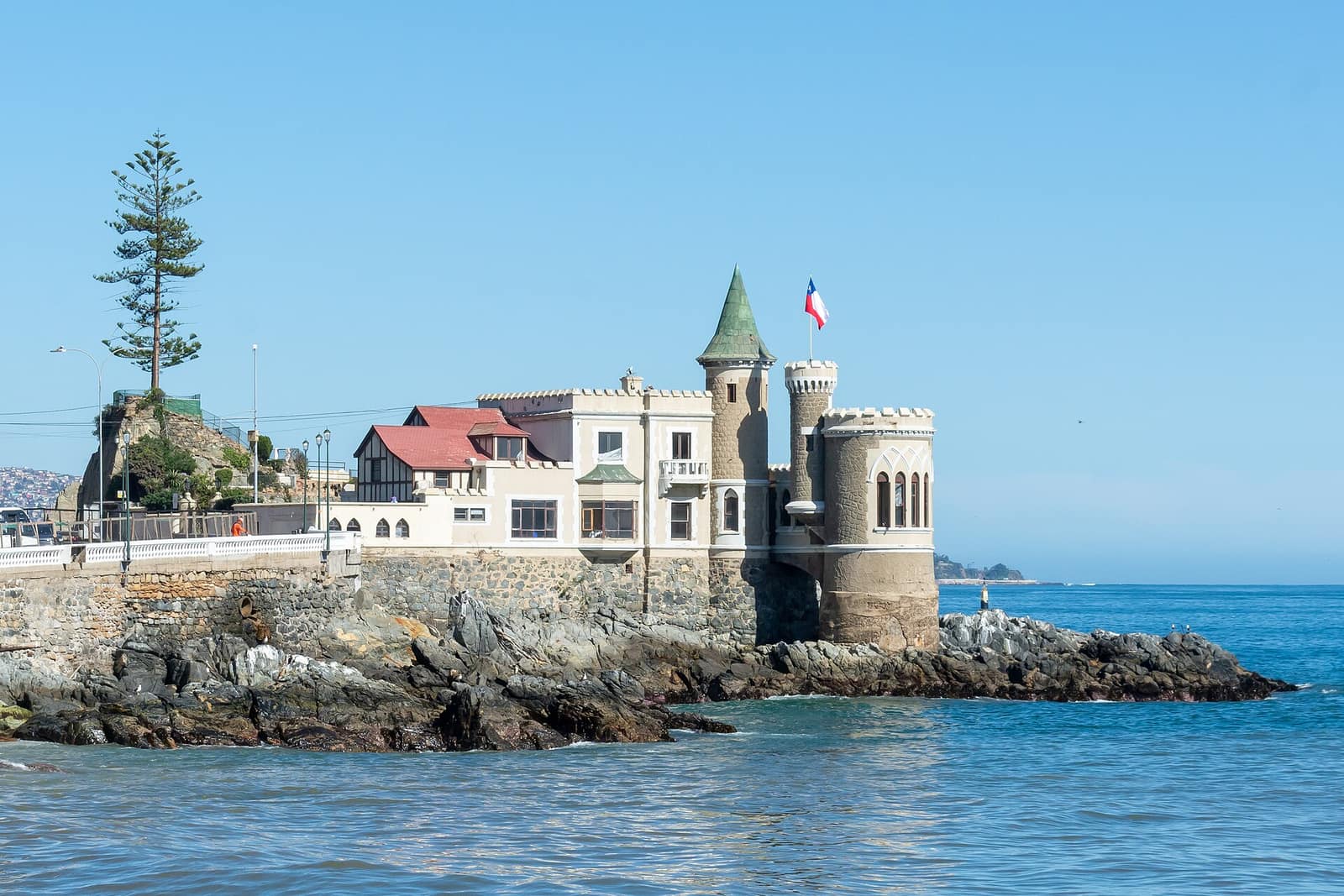
Built in 1906 for the merchant Gustavo Adolfo Wulff on a rocky outcrop of Avenida Marina, this turreted mansion is one of the most photographed buildings on the coast. Today it is a municipal cultural centre with changing exhibitions and a glass-floored passage over the waves.
 Beaches & the north coast
 Viña del Mar’s Beaches
Caleta Abarca, El Sol, Acapulco and more
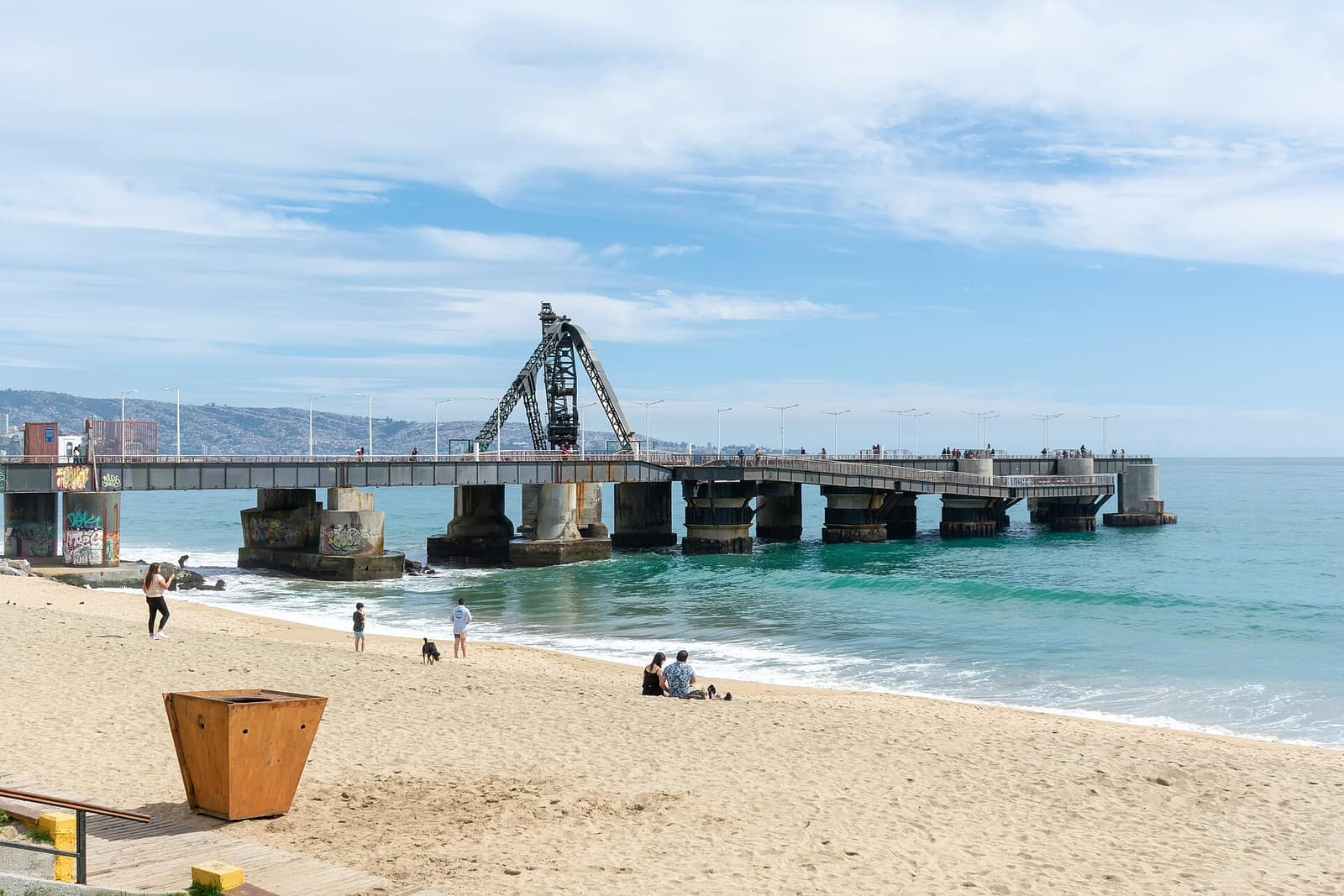
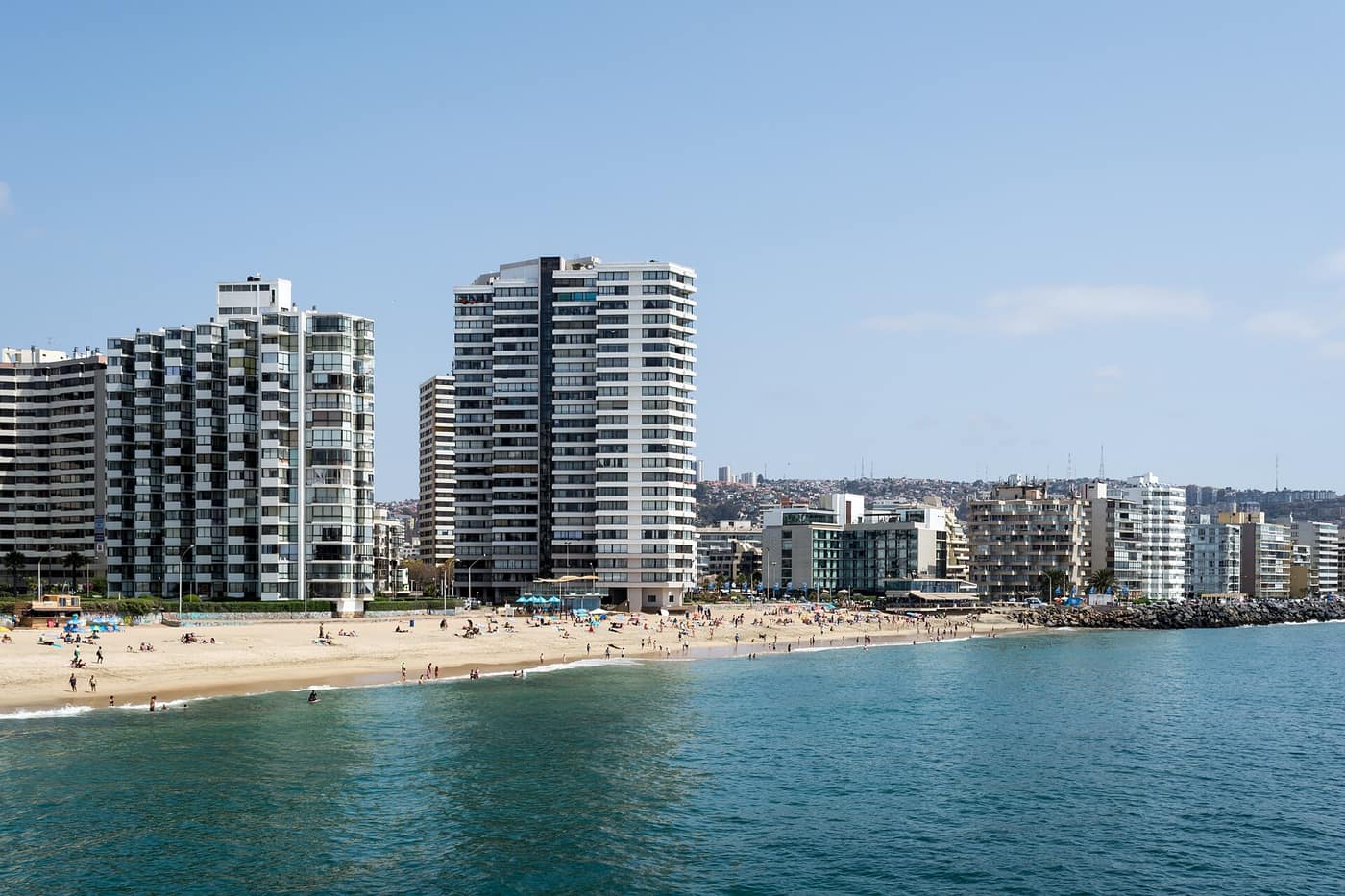
A chain of city beaches runs along the seafront, from little Caleta Abarca by the Flower Clock to the long urban sands of Acapulco, Los Marineros and El Sol, with the old iron Muelle Vergara pier in between. The sea is cold — the Humboldt Current sees to that — but the promenade, the sunsets and the summer atmosphere are the point.
See all of them, with directions and tours, in our things to do guide.
Suggested itineraries
- Day 1 — Viña del Mar: the Flower Clock and Caleta Abarca, a seafront walk to Castillo Wulff and Avenida Perú, lunch, then the Fonck Museum’s moai or the Quinta Vergara and Palacio Rioja. Sunset from the promenade or Muelle Vergara.
- Day 2 — Valparaíso: train to Puerto, a small-group street-art and funicular tour, lunch on Cerro Alegre, then La Sebastiana. Taxi back after dark.
- Day 3 — Coast or wine: Reñaca beach and the coast road to Concón for empanadas and the dunes at sunset — or a long lunch at a Casablanca Valley winery.
What it costs
Chile is one of the pricier countries in South America, and Viña is priced like a resort in summer. Some rough guides:
| Item | Typical price |
|---|---|
| Bus Santiago–Viña del Mar | a few thousand pesos (≈US$5–10) |
| Metro Valparaíso train, Viña–Valparaíso | around US$1 per ride |
| Funicular ride in Valparaíso | a few hundred pesos |
| Coast day tour from Santiago | from ≈€29–70 |
| Empanada | ≈US$3–6 |
| Lunch menu (“menú del día”) | ≈US$10–15 |
| Mid-range hotel, double | ≈US$70–130, more in January–February |
| Top sea-view or boutique hotel | ≈US$150–300+ |
Prices are indicative and change with the season and exchange rate — check current prices when you book.
What to eat and drink
This is a great coast for seafood: empanadas de mariscos (Concón is famous for them), machas a la parmesana (razor clams baked with cheese), caldillo de congrio (conger-eel soup, immortalised in a Neruda ode), paila marina and fresh ceviche. Classic Chilean dishes include empanadas de pino (beef, onion, egg and olive), pastel de choclo and the completo hot dog, while Valparaíso claims the chorrillana. Drink a pisco sour, try a crisp Casablanca Sauvignon Blanc, and be careful with the terremoto (“earthquake”) — sweet wine with pineapple ice cream.
Where to stay
- Viña del Mar seafront and centre — walkable, close to the beaches, the casino and the train.
- Reñaca — beach suburb, lively in summer, calm the rest of the year.
- Valparaíso’s Cerro Alegre and Concepción — boutique hotels in historic mansions with bay views.
We compare the best of each, with live rates, on our where to stay page.
Practical details
- Entry: citizens of many countries (including the EU, UK, US, Canada, Australia and Latin American neighbours) can visit Chile visa-free for up to 90 days. Rules change — check with your nearest Chilean consulate before you travel.
- Money: the currency is the Chilean peso (CLP). Cards are accepted almost everywhere; carry some cash for buses, funiculars and small shops. Foreign tourists paying for hotels in US dollars or with a foreign card are often exempt from the 19% VAT (IVA) — ask your hotel.
- Tipping: restaurants usually suggest a 10% “propina” on the bill; it is customary to pay it.
- Language: Spanish — Chilean Spanish, fast and full of slang (¿cachai?). English is spoken in hotels and on tours, less so elsewhere.
- Plugs and power: 220 V, type C and L sockets.
- Safety: Viña del Mar is one of Chile’s safer cities, but petty theft happens on crowded beaches and buses. Valparaíso needs more care, especially after dark — see our Valparaíso guide.
- Earthquakes and tsunamis: Chile is highly seismic and buildings are designed for it. Note the blue vía de evacuación tsunami route signs near the beach; after a strong quake near the coast, head uphill as instructed by the authorities.
- Sun: the UV index is very high in summer even when it feels cool. Use sunscreen and a hat.